
Understanding Audio Equipment: A Comprehensive Guide
By Beatriz Lindgren · · 6 min read
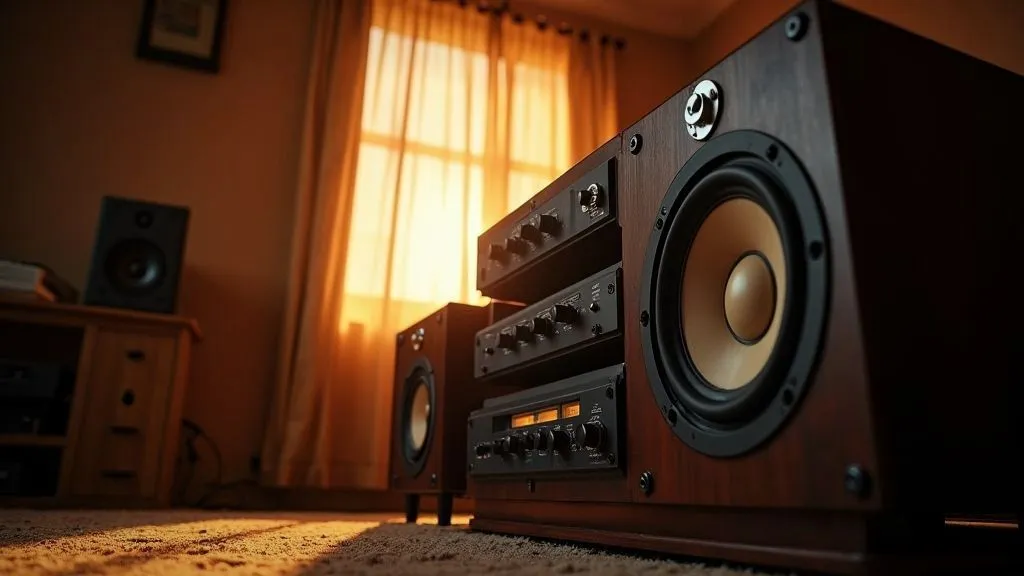
In the realm of audio equipment, the diversity and complexity can be overwhelming. With a plethora of devices available—from microphones and headphones to mixers and amplifiers—understanding their functionality and how they can improve your audio experience is crucial. In this article, we will dive into the intricacies of audio equipment, focusing on the essential components, their purposes, and how to choose the right gear for your needs.
What Constitutes Audio Equipment?
Audio equipment encompasses a wide range of devices designed for the production, manipulation, and reproduction of sound. Here are some key categories:
-
Microphones: Essential for capturing sound, microphones convert acoustic energy into electrical signals. Different types of microphones serve various purposes, such as dynamic microphones for live performances and condenser microphones for studio recordings.
-
Speakers: These devices reproduce audio signals, allowing us to hear sound. They come in various formats, including studio monitors, home audio speakers, and portable Bluetooth speakers.
-
Headphones and Earphones: Personal audio devices that deliver sound directly to the ears. They vary in design, including in-ear, on-ear, and over-ear models, each offering different levels of comfort and sound isolation.
-
Mixers: Used for blending multiple audio signals, mixers allow sound engineers to adjust levels, effects, and overall sound quality. They range from simple audio interfaces to complex digital mixers used in professional settings.
-
Amplifiers: These devices boost audio signals, allowing them to power speakers effectively. There are various types of amplifiers, including integrated and power amplifiers, each serving distinct needs.
-
Digital Audio Workstations (DAWs): Software platforms that enable users to record, edit, and produce audio. DAWs offer a comprehensive suite of tools for music production, sound design, and audio editing.
Understanding Microphones
Microphones are crucial for any audio recording or live performance. Here’s a deeper look at their types and functionalities:
Dynamic Microphones
Dynamic microphones are robust and ideal for live performances. They use a diaphragm attached to a coil of wire placed within a magnetic field, allowing them to convert sound waves into electrical signals. Their durability makes them less sensitive to moisture and rough handling, which is why they’re commonly used for live vocals and instruments.
Condenser Microphones
In contrast, condenser microphones are more sensitive and suited for studio recording. They utilize a diaphragm that is placed close to a backplate, creating a capacitor that converts sound waves into electrical signals. These microphones capture a broader frequency range and are excellent for vocals and acoustic instruments.
Ribbon Microphones
Ribbon microphones are known for their warm sound and smooth high-frequency response. They use a thin metal ribbon suspended in a magnetic field to capture sound. While they’re more fragile than dynamic or condenser microphones, they excel in specific applications, like capturing the warmth of brass and string instruments.
Speakers: Choosing the Right Type
When selecting speakers, consider their intended use and environment. Here are prominent speaker types to consider:
Studio Monitors
Studio monitors are designed for accurate sound reproduction, making them essential for mixing and mastering in professional studios. They often provide a flat frequency response, allowing sound engineers to hear audio as it is, without coloration.
Home Audio Speakers
Home audio speakers focus on delivering an enjoyable listening experience. They come in various formats, including bookshelf speakers, floor-standing speakers, and surround sound systems, designed to fill a room with sound.
Portable Bluetooth Speakers
For those on the go, portable Bluetooth speakers offer convenience and versatility. These compact devices wirelessly connect to smartphones and tablets, providing quality sound without the need for extensive setups.
Headphones and Earphones: Key Features
Choosing the right headphones or earphones can significantly impact your audio experience. Here are some essential factors to consider:
Sound Isolation
Understanding sound isolation is crucial when selecting headphones. Closed-back headphones provide better sound isolation by enclosing the ear, while open-back headphones allow for a more natural sound but offer less isolation.
Comfort and Fit
Comfort is paramount, especially for prolonged use. Look for adjustable headbands, cushioned ear pads, and lightweight designs. Over-ear models generally provide better comfort for extended listening sessions, while in-ear models offer portability.
Driver Size and Type
The driver is the component that converts audio signals into sound. Larger drivers typically produce better bass response, while different driver types (dynamic, planar magnetic, or electrostatic) offer distinct sound characteristics. Understanding these factors can help you choose headphones that align with your listening preferences.
The Role of Mixers in Audio Production
Mixers play a vital role in both live and studio settings. Understanding their functions can help you utilize them effectively.
Signal Processing
Mixers facilitate the blending of multiple audio signals. They allow sound engineers to adjust levels, panning, and effects for each input, ensuring a balanced mix. Understanding the signal flow and how to employ equalization (EQ) and compression can enhance your mixing skills.
Types of Mixers
There are analog and digital mixers, each with unique features. Analog mixers provide a tactile experience with physical knobs and faders, while digital mixers offer advanced functionalities, including effects processing and remote control via software.
Choosing a Mixer
When selecting a mixer, consider factors such as the number of channels needed, built-in effects, and compatibility with your recording setup. For smaller projects, a compact mixer with essential features may suffice, while larger productions may benefit from a comprehensive digital mixer with extensive capabilities.
Amplifiers: Their Importance in Audio Systems
Amplifiers serve as a crucial link between audio sources and speakers, ensuring that sound signals are adequately powered. Here’s what to know:
Types of Amplifiers
- Integrated Amplifiers: Combine a preamp and power amplifier in one unit, making them a popular choice for home audio systems.
- Power Amplifiers: Dedicated to boosting signal levels to drive speakers, often used in professional settings to deliver high output levels.
- Headphone Amplifiers: Specifically designed to drive headphones, improving sound quality and providing adequate volume levels.
Considerations When Choosing Amplifiers
When selecting an amplifier, consider the power output, impedance matching with speakers, and additional features such as Bluetooth connectivity or built-in DACs (Digital-to-Analog Converters). Matching the amplifier’s power output with the speaker’s requirements ensures optimal performance.
Digital Audio Workstations (DAWs): The Heart of Audio Production
DAWs have revolutionized the music production landscape, allowing users to create, edit, and produce audio with ease. Here’s how they function:
Key Features of DAWs
Most DAWs offer a range of features, including multi-track recording, MIDI support, virtual instruments, and extensive editing tools. Popular DAWs like Ableton Live, Pro Tools, and Logic Pro cater to different user needs and workflows.
Choosing the Right DAW
When selecting a DAW, consider your production style, budget, and specific features you require. Some DAWs focus on electronic music production, while others excel in audio recording and editing. Many offer trial versions, allowing you to test them before making a commitment.
Understanding Acoustic Treatment
Acoustic treatment is essential for achieving optimal sound quality, especially in home studios or listening environments. Addressing sound reflections and resonances can improve audio clarity and depth.
Key Treatment Elements
- Acoustic Panels: Absorb sound energy to reduce reflections and echoes, creating a more controlled listening environment.
- Bass Traps: Target low-frequency sounds that can cause muddiness in recordings, helping to create a cleaner sound.
- Diffusers: Scatter sound waves to create a more natural sound environment, preventing the room from sounding “dead.”
Implementation Considerations
To effectively treat a room, analyze its acoustics using measurement tools or software. Identifying problem areas will help you determine where to place panels, traps, and diffusers for maximum effect.